- All
- Product Name
- Product Keyword
- Product Model
- Product Summary
- Product Description
- Multi Field Search
Views: 0 Author: Site Editor Publish Time: 2025-09-09 Origin: Site

Vacuum packed food lasts much longer than food stored with traditional methods. For example, vacuum sealed meats can stay fresh up to 2-3 weeks in your fridge and as long as 12 months in your freezer. Raw vegetables keep their taste and texture for months, and dry goods can last even longer. You can see average shelf life for common foods below:
| Food Type | Pantry | Refrigerator | Freezer |
|---|---|---|---|
| Meats | - | 2-3 weeks | 12 months+ |
| Vegetables | 1 day-2 mo. | 3-21 days | 5-12 months |
| Dairy | 1-2 weeks | 2-4 weeks | 6-12 months |
| Dry Goods | 1-12 months | 6-12 months | 12 months+ |
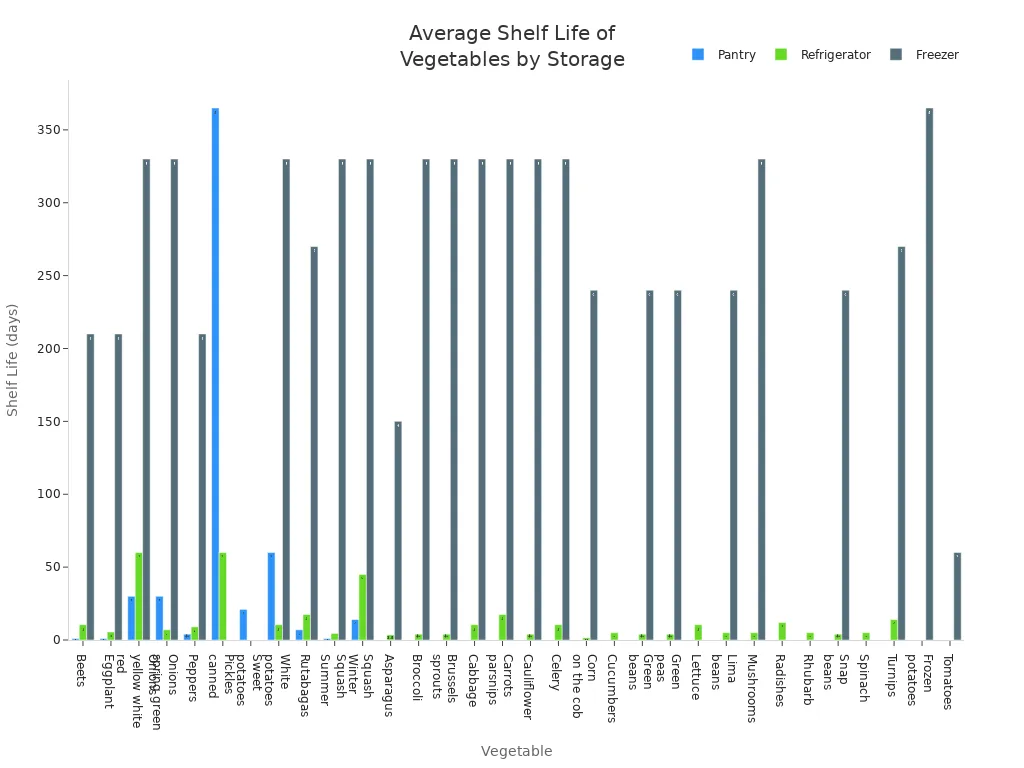
Vacuum sealing can extend shelf life by 2-4 times. A food packing machine helps you lock in freshness and prevent waste.
Vacuum packed food lasts significantly longer than traditionally stored food, with meats staying fresh for 2-3 weeks in the fridge and up to 12 months in the freezer.
Blanching vegetables before vacuum sealing preserves their color and texture, allowing them to last 8-12 months in the freezer.
Vacuum sealing cooked foods extends their shelf life to 7-14 days in the fridge, making meal prep easier and reducing waste.
Always label vacuum packed foods with the date and contents to track freshness and avoid spoilage.
Using high-quality vacuum bags is essential for maintaining an airtight seal, which prevents spoilage and keeps food fresh.
Check vacuum packed foods regularly for signs of spoilage, such as unusual odors, color changes, or gas production.
Store vacuum packed foods in cool, dry places to maximize their shelf life and maintain quality.
Vacuum sealing dry goods can extend their shelf life up to 1-2 years, protecting them from moisture and pests.
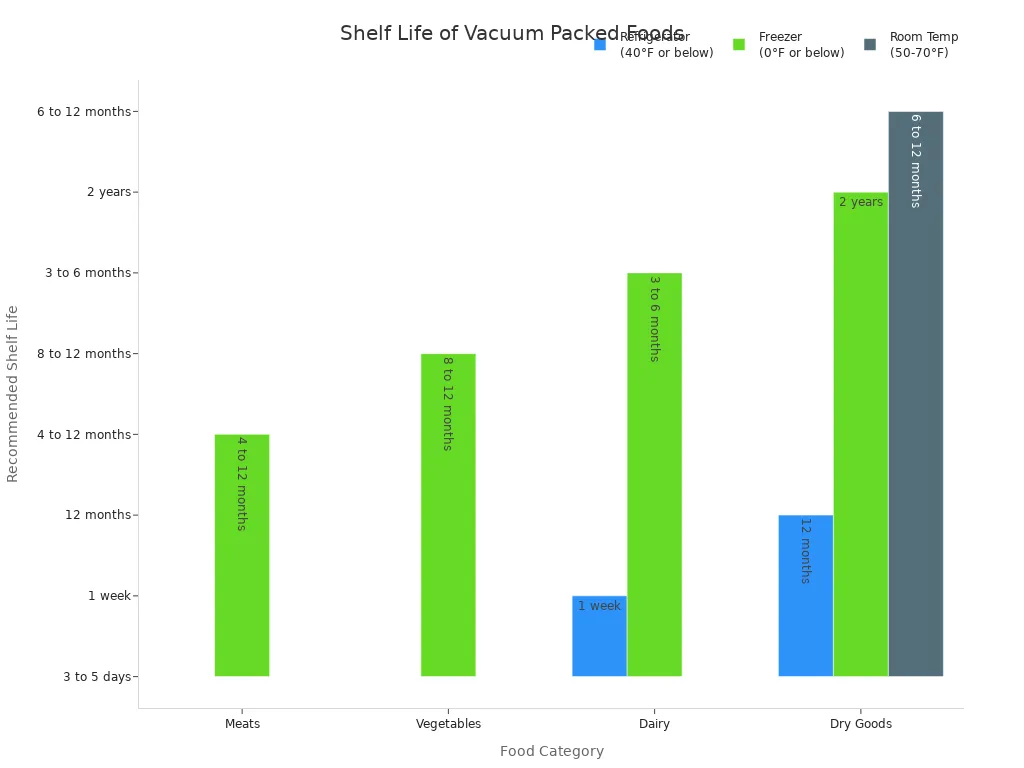
You can use the following table to check how long vacuum packed foods stay fresh in different storage environments. This table shows the recommended shelf life for meats, vegetables, dairy, and dry goods. You will see how much longer vacuum sealing keeps your food safe and tasty.
| Food Category | Room Temperature (50 to 70°F) | Refrigerator (40°F or below) | Freezer (0°F or below) |
|---|---|---|---|
| Meats (e.g., fresh beef, pork) | Not safe | 3 to 5 days | 4 to 12 months |
| Vegetables | Not safe | 3 to 5 days | 8 to 12 months |
| Dairy (e.g., milk) | Not safe | 1 week | 3 to 6 months |
| Dry Goods (e.g., flour) | 6 to 12 months | 12 months | 2 years |
Tip: Vacuum sealing helps you avoid spoilage and food waste. You can store food for much longer than with regular packaging.
You can keep vacuum packed meats fresh for much longer than with regular wrapping. In your refrigerator, vacuum sealed beef or pork lasts about 3 to 5 days. If you freeze these meats, you can store them for 4 to 12 months. This method protects the meat from freezer burn and keeps the flavor locked in. You should always check for signs of spoilage before cooking, such as off smells or discoloration.
Vacuum packed vegetables stay crisp and tasty for up to 3 to 5 days in the fridge. If you freeze them, you can enjoy them for 8 to 12 months. Blanching vegetables before vacuum sealing helps preserve color and texture. You should label each package with the date so you know when to use them.
You can store vacuum packed dairy products, like milk or cheese, for about 1 week in the refrigerator. In the freezer, dairy lasts 3 to 6 months. Vacuum sealing slows down spoilage and keeps dairy fresher. You should always check for changes in smell or texture before eating.
Dry goods, such as flour, rice, or pasta, last 6 to 12 months at room temperature when vacuum packed. In the refrigerator, you can keep them for up to 12 months. If you store them in the freezer, they stay fresh for up to 2 years. Vacuum sealing protects dry goods from moisture, pests, and air exposure.
Note: You should always store vacuum packed foods at the recommended temperatures. This practice helps you get the longest shelf life and best quality.
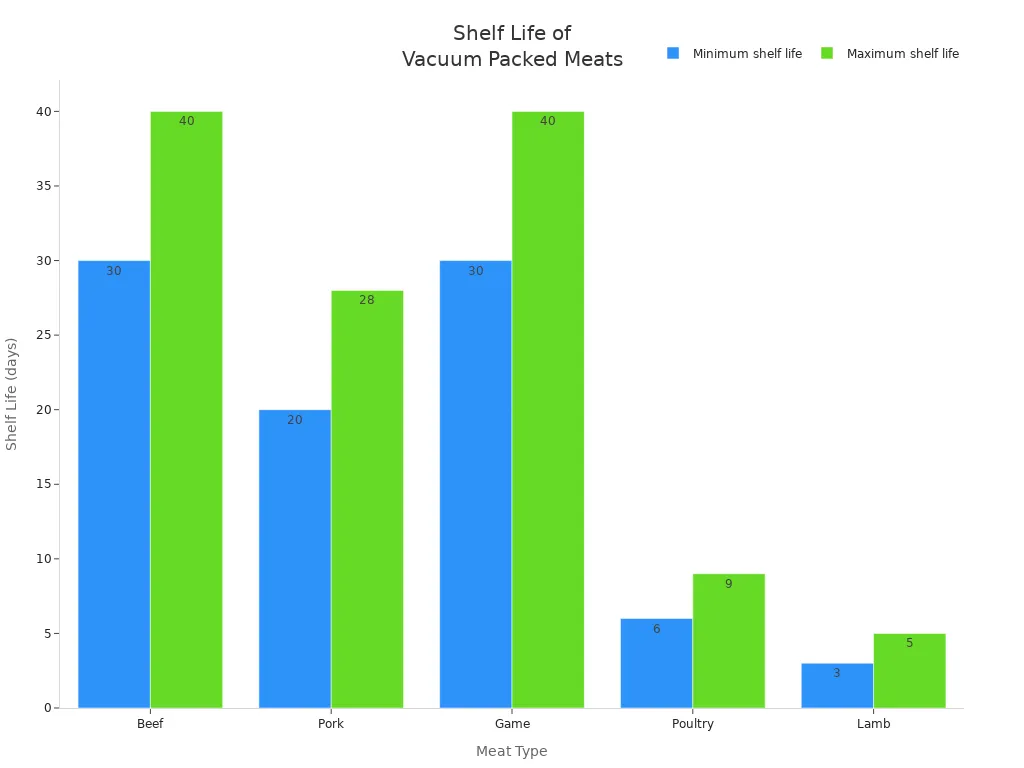
Vacuum packing helps you keep meats fresh for much longer in your refrigerator. You can store beef and game for up to 30 to 40 days. Pork stays safe for 20 to 28 days. Poultry lasts 6 to 9 days, while lamb remains fresh for 3 to 5 days. This method protects your food from bacteria and slows down spoilage. You should always check the color and smell before cooking.
| Meat type | Vacuum sealed in the refrigerator (5°C / 41°F) |
|---|---|
| Beef | 30 - 40 days |
| Pork | 20 - 28 days |
| Game | 30 - 40 days |
| Poultry | 6 - 9 days |
| Lamb | 3 - 5 days |
Tip: Always label your vacuum packed meats with the date. This helps you track freshness and avoid waste.
You can extend the shelf life of fresh vegetables by vacuum sealing them before placing them in the fridge. Normally, vegetables last about 5 days with standard packaging. When you vacuum seal them, you can keep them fresh for 18 to 20 days. This process removes air, which slows down mold and bacteria growth. You should wash and dry vegetables before sealing to get the best results.
| Food Item | Normal Packaging Shelf Life | Vacuum Sealed Shelf Life |
|---|---|---|
| Fresh Vegetables | 5 days | 18–20 days |
Note: Blanching vegetables before vacuum sealing can help preserve color and texture.
Vacuum packing also benefits dairy products. You can store cheese for much longer in the fridge when you use this method. Swiss and cheddar cheese usually last 1 to 2 weeks with regular packaging. Vacuum sealing extends their shelf life to 4 to 8 months. Parmesan cheese, which normally lasts 1 month, can stay fresh for up to 8 months when vacuum packed. This technique keeps moisture out and prevents mold growth.
| Cheese Type | Normal Shelf Life | Vacuum Shelf Life |
|---|---|---|
| Swiss | 1-2 Weeks | 4-8 Months |
| Cheddar | 1-2 Weeks | 4-8 Months |
| Parmesan | 1 Month | 4-8 Months |
Tip: Slice cheese before vacuum sealing for easier portion control and longer freshness.
Vacuum packing in the fridge gives you more time to enjoy your favorite foods. You can reduce waste and save money by keeping meats, vegetables, and dairy fresh for weeks or even months. Always use proper sealing techniques and check for spoilage signs before eating.
Vacuum packing cooked foods helps you keep leftovers fresh for much longer. You can store cooked meals, such as casseroles, pasta, rice, and roasted meats, in your refrigerator without worrying about rapid spoilage. When you use vacuum sealing, you remove air from the packaging. This process slows down the growth of bacteria and mold.
You often find that regular storage methods keep cooked foods safe for only 2 to 4 days. Vacuum packing extends this shelf life to 7 to 14 days, depending on the type of food and how well you seal it. You can enjoy your favorite homemade dishes for a week or more without losing flavor or texture.
Here is a table showing average shelf life for common cooked foods stored in the fridge:
| Cooked Food Type | Normal Shelf Life | Vacuum Sealed Shelf Life |
|---|---|---|
| Cooked Meats | 3-4 days | 10-14 days |
| Cooked Vegetables | 2-3 days | 7-10 days |
| Pasta/Rice | 3-5 days | 7-10 days |
| Casseroles | 3-4 days | 7-10 days |
| Soups/Stews | 3-4 days | 7-10 days |
Tip: Always let cooked foods cool to room temperature before vacuum sealing. Hot foods can create steam, which may weaken the seal and promote bacteria growth.
You should divide large batches into smaller portions before sealing. This practice makes it easier to reheat only what you need. You also reduce the risk of waste. Label each package with the date and the type of food. Clear labeling helps you track freshness and plan meals.
Vacuum packing works well for meal prepping. You can cook several meals at once, seal them, and store them in the fridge. This method saves you time during busy weeks. You also avoid the temptation to order takeout when you have ready-to-eat meals waiting.
You need to check for spoilage signs before eating vacuum packed cooked foods. Look for changes in color, texture, or smell. If you notice any sour or off odors, discard the food immediately. Mold growth or slimy surfaces also indicate spoilage.
Here are some best practices for storing vacuum packed cooked foods:
Use high-quality vacuum bags designed for food storage.
Avoid overfilling bags to ensure a tight seal.
Store packages flat to save space in your fridge.
Rotate older packages to the front so you use them first.
Vacuum packing cooked foods gives you more flexibility in meal planning. You can prepare healthy meals in advance and keep them fresh for longer. You also reduce food waste and save money. With proper sealing and storage, you enjoy safe and tasty leftovers every time.
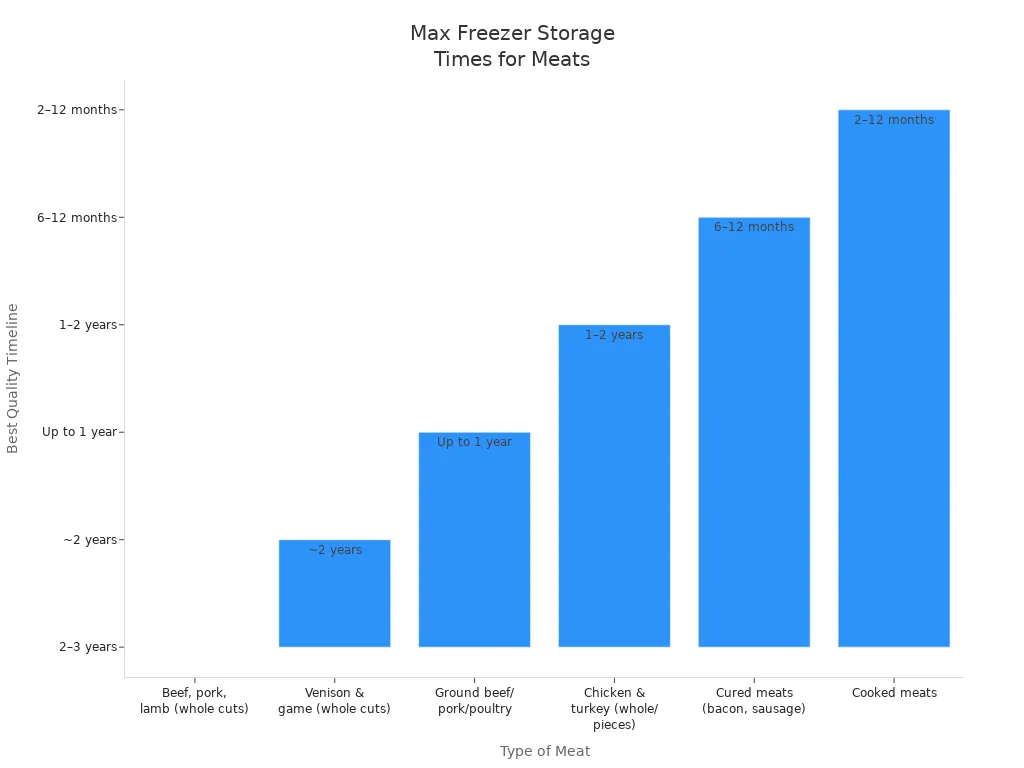
Vacuum packing gives you the power to keep meats fresh in your freezer for much longer than traditional methods. You can store whole cuts of beef, pork, or lamb for up to 2–3 years without losing quality. Venison and other game meats stay safe for about 2 years. Ground meats, such as beef, pork, or poultry, last up to 1 year. Chicken and turkey, whether whole or in pieces, remain good for 1–2 years. Cured meats like bacon and sausage keep their flavor for 6–12 months. Cooked meats can stay fresh for 2–12 months.
Here is a quick reference table for maximum recommended freezer storage times:
| Type of Meat | Best Quality Timeline |
|---|---|
| Beef, pork, lamb (whole cuts) | 2–3 years |
| Venison & game (whole cuts) | ~2 years |
| Ground beef/pork/poultry | Up to 1 year |
| Chicken & turkey (whole/pieces) | 1–2 years |
| Cured meats (bacon, sausage) | 6–12 months |
| Cooked meats | 2–12 months |
Tip: Always label each package with the date you sealed it. This habit helps you use older items first and avoid waste.
You should freeze meats as soon as possible after vacuum sealing. This step locks in freshness and prevents freezer burn. You can portion meats before sealing to make meal planning easier. When you thaw vacuum packed meats, place them in the refrigerator overnight for best results.
Vacuum packing vegetables before freezing helps you preserve their taste, color, and nutrients. You can keep most vegetables fresh for 8–12 months in the freezer. Blanching vegetables before sealing is important. This process stops enzyme activity and keeps vegetables from turning mushy or losing color. You should dry vegetables thoroughly after blanching to prevent ice crystals from forming inside the bag.
You can freeze vegetables like broccoli, carrots, green beans, and peas. Leafy greens, such as spinach and kale, also freeze well when vacuum packed. You should divide vegetables into meal-sized portions before sealing. This practice makes it easy to grab what you need for cooking.
Note: Always write the name and date on each package. This step helps you track freshness and plan meals.
You can extend the shelf life of dairy products by vacuum packing them before freezing. Hard cheeses, such as cheddar and Swiss, last 6–12 months in the freezer. Soft cheeses, like mozzarella, stay fresh for 3–6 months. You can freeze butter for up to 12 months. Milk and cream can be frozen for 3–6 months, but you should expect some changes in texture after thawing.
You should portion dairy products before sealing. This step makes it easy to use only what you need. You can grate cheese before freezing to save time when cooking. Always thaw dairy products in the refrigerator to maintain quality.
Tip: Use high-quality vacuum bags designed for freezer storage. These bags prevent moisture loss and keep dairy products tasting fresh.
Freezer storage with vacuum packing helps you save money and reduce food waste. You can enjoy meats, vegetables, and dairy products for months or even years. Proper sealing, labeling, and storage practices ensure the best results every time.
Vacuum packing baked goods before freezing helps you keep them fresh and tasty for much longer. When you use this method, you protect your bread, pastries, cakes, and cookies from freezer burn and moisture loss. Air exposure often causes baked goods to dry out or absorb unwanted odors. Vacuum sealing removes air from the package, so your treats stay soft and flavorful.
You can freeze a wide range of baked goods with great results. Here are some common items you might want to store:
Bread loaves and rolls
Bagels and English muffins
Cakes and cupcakes
Cookies and brownies
Muffins and scones
Pastries and croissants
Vacuum packing works especially well for bread. You often find that regular plastic wrap or bags let bread dry out in the freezer. With vacuum sealing, you lock in moisture and prevent the bread from picking up freezer smells. This method helps you enjoy bread that tastes almost as fresh as the day you baked it.
Tip: Slice bread before vacuum sealing and freezing. This way, you can take out only what you need and avoid thawing the whole loaf.
You should always let baked goods cool completely before vacuum sealing. Warm items can create condensation inside the bag, which may lead to ice crystals and soggy textures after thawing. Place cooled baked goods in a single layer inside the vacuum bag. For delicate items like pastries or frosted cakes, freeze them on a tray first, then vacuum seal once they are solid. This step helps protect their shape and decoration.
Here is a quick reference table for storing vacuum packed baked goods in the freezer:
| Baked Good | Vacuum Sealed Shelf Life (Freezer) |
|---|---|
| Bread (sliced/loaf) | 6–12 months |
| Cakes (unfrosted) | 4–6 months |
| Cakes (frosted) | 2–4 months |
| Cookies | 8–12 months |
| Muffins/Scones | 6–12 months |
| Pastries | 3–6 months |
Vacuum packing baked goods gives you better results than plastic wrap or regular freezer bags. You can store your favorite treats for months without losing quality. When you want to enjoy them, thaw at room temperature or warm in the oven for a fresh-baked taste.
Note: Always label each package with the date and type of baked good. This habit helps you use older items first and keeps your freezer organized.
With vacuum sealing, you waste less food and save money. You can bake in bulk, store extras, and always have homemade treats ready for any occasion. This method makes it easy to enjoy delicious baked goods whenever you want.
Vacuum sealing gives you a powerful way to keep dry goods fresh in your pantry. When you remove air from the packaging, you protect foods like flour, rice, sugar, and pasta from moisture and pests. You also slow down the process that causes these foods to go stale. Most dry goods last about six months in regular packaging. With vacuum sealing, you can extend their shelf life up to two years.
Here is a quick reference table for common dry goods:
| Item | Conventional Shelf Life | Vacuum Sealed Shelf Life |
|---|---|---|
| Flour | 6 months | 1-2 years |
| Sugar | 6 months | 1-2 years |
| Rice | 6 months | 1-2 years |
| Pasta | 6 months | 1-2 years |
You can see that vacuum sealing makes a big difference. By locking out air, you prevent staleness and keep your pantry staples ready for use much longer. You should always store vacuum sealed dry goods in a cool, dark place for best results.
Tip: Label each vacuum sealed bag with the date and contents. This habit helps you use older items first and keeps your pantry organized.
Snacks often lose their crunch and flavor when exposed to air. Vacuum packing helps you keep chips, crackers, and even homemade treats fresh for weeks or months. This method works especially well for snacks that go stale quickly. When you vacuum seal snacks, you remove most of the oxygen, which slows down spoilage and keeps bacteria from growing.
Studies show that vacuum packed snacks, such as vacuum-fried millet-based snacks, stay tasty and safe for up to 80 days in the pantry. Regular snacks stored in normal packaging usually last less than 100 days before losing quality. You can use vacuum sealing for both store-bought and homemade snacks.
Vacuum sealing keeps snacks crisp and flavorful.
You can portion snacks into single servings for easy grab-and-go options.
Always use food-safe vacuum bags for best results.
Note: For delicate snacks, use the “gentle” setting on your vacuum sealer to avoid crushing them.
Grains are a pantry staple in many homes. You can store hard grains, such as wheat, corn, and barley, for up to 10 to 12 years in vacuum sealed bags. Some grains last even longer—up to 30 years—when stored properly. Soft grains, like oats and rye, can last up to 8 years, and sometimes more than 20 years with vacuum sealing.
| Grain Type | Recommended Storage Duration | Extended Storage Duration |
|---|---|---|
| Hard Grains | 10 to 12 years | Up to 30 years or longer |
| Soft Grains | 8 years | Up to 20+ years |
Vacuum sealing works by removing oxygen, which helps prevent spoilage and insect damage. You should always store sealed grains in a cool, dark place. This method also saves space and lets you organize a variety of grains and legumes for long-term use.
Vacuum sealing beans and rice allows for long-term preservation.
Brown rice may not last as long as white rice, so use it sooner.
Always check for any signs of spoilage before using stored grains.
Tip: Divide large amounts of grains into smaller vacuum sealed bags. This practice makes it easier to use what you need and keeps the rest fresh.
Vacuum sealing gives you a smart way to keep nuts fresh and tasty for longer. Nuts contain healthy oils that can go rancid when exposed to air, light, and moisture. When you vacuum pack nuts, you remove most of the oxygen from the packaging. This slows down the process that causes nuts to spoil. You can store nuts in your pantry for months without worrying about them losing flavor or crunch.
Here is a table that shows how long you can expect vacuum packed nuts to last in your pantry and refrigerator:
| Type of Nut | Shelf Life in Pantry | Shelf Life Refrigerated |
|---|---|---|
| Macadamia | 3 to 6 months | 6 to 9 months |
| Pine Nuts | 3 to 6 months | 6 to 9 months |
| Brazil Nuts | 3 to 6 months | 6 to 9 months |
You can see that vacuum sealing almost doubles the shelf life of nuts when you store them in the refrigerator. Even in the pantry, you get up to half a year of freshness for most types. This method works well for both raw and roasted nuts.
Tip: Always store vacuum packed nuts in a cool, dark place. Heat and sunlight can still cause nuts to spoil faster, even with vacuum sealing.
You should check nuts for any signs of spoilage before eating. Rancid nuts often have a bitter taste or a strong, unpleasant smell. If you notice these signs, it is best to throw them away.
Vacuum sealing also helps you save money. You can buy nuts in bulk, portion them into smaller bags, and seal each one. This way, you only open what you need, and the rest stays fresh. You can use this method for snacks, baking, or meal prep.
Here are some simple steps to get the best results when vacuum packing nuts:
Use high-quality vacuum bags that block out air and moisture.
Label each bag with the type of nut and the date you sealed it.
Store sealed bags flat to save space in your pantry or fridge.
For longer storage, keep vacuum packed nuts in the refrigerator.
You can enjoy nuts as a healthy snack, a crunchy topping, or an ingredient in your favorite recipes. Vacuum sealing makes it easy to keep them fresh and ready to use. With the right storage, you get the most flavor and nutrition from every handful.
Note: Nuts with higher oil content, like macadamia and pine nuts, may spoil faster than others. Always use your senses to check for freshness before eating.
Vacuum packing gives you peace of mind. You know your nuts will stay fresh, crunchy, and delicious for months. This simple step helps you reduce waste and enjoy better-tasting snacks every time.
The type of food you vacuum pack plays a big role in how long it will last. Foods with high moisture, like fresh meats or fruits, spoil faster than dry foods. Moisture gives bacteria and mold a place to grow, even in a sealed bag. Foods with a low pH, such as pickles or citrus fruits, resist bacteria better and stay fresh longer. Nutrient-rich foods, like dairy or cooked meals, can break down over time, even if you vacuum seal them.
Here is a table that shows how different factors in food affect shelf life:
| Factor | Influence on Shelf Life |
|---|---|
| Moisture Content | Higher moisture leads to increased spoilage risk. |
| pH Level | Lower pH levels enhance resistance to microbial growth. |
| Nutrient Content | Nutrient-rich foods may degrade over time, even sealed. |
You should always consider what you are sealing. For example, vacuum packed flour will last much longer than vacuum packed strawberries.
Temperature is one of the most important factors for keeping vacuum packed food safe. You should always store vacuum sealed foods at the right temperature. Cold slows down bacteria and mold. For best results, keep your vacuum packed foods below 3°C (about 37°F). If you store food at a chill temperature between 3°C and 8°C (37°F to 46°F), you should use it within 10 days.
Store vacuum packed foods below 3°C for maximum shelf life.
Foods stored at higher temperatures spoil faster, even if vacuum sealed.
Refrigerated vacuum packed foods, like fish powder, last much longer than those kept at room temperature.
Room temperature storage can cause food to lose quality in less than 120 days.
You should always check your fridge and freezer temperatures. Keeping food cold is just as important as sealing it well.
Tip: Use a fridge thermometer to make sure your storage stays cold enough.
The quality of your vacuum seal makes a big difference in how long your food stays fresh. A strong, airtight seal keeps oxygen out. Oxygen causes food to spoil by feeding bacteria and causing oxidation. When you use a high-quality seal, you can reduce bacterial growth by up to 98% compared to regular storage.
A good seal keeps air and moisture away from your food.
Poor seals let in oxygen, which can spoil fats and nutrients.
Vacuum sealing limits oxidation, so your food keeps its taste and nutrition.
Vacuum packing works best when you use the right bags and make sure the seal is tight. Always check the seal after packing. If you see air bubbles or loose edges, reseal the bag.
Note: A reliable seal is key to getting the most out of vacuum packing. Take your time to do it right for the best results.
The packaging material you choose plays a major role in how long vacuum packed food stays fresh. When you use high-quality materials, you create a strong barrier that keeps out moisture and oxygen. These two factors cause food to spoil quickly. Vacuum packaging also creates a low-oxygen environment. This setting stops most bacteria and mold from growing. You slow down oxidation, which helps keep flavors and nutrients locked in.
Here are some ways packaging material affects shelf life:
High-quality packaging blocks moisture and oxygen. This protection keeps food safe from spoilage.
Vacuum sealing slows down enzymatic reactions. These reactions break down food over time.
Strong packaging prevents leaks and tears. You keep air out and freshness in.
Some materials offer extra protection against light. Light can damage vitamins and change the taste of food.
You should always check the type of bag or film you use for vacuum packing. Look for materials designed for food storage. These products often have multiple layers to block air and water. If you use thin or low-quality bags, you risk losing the benefits of vacuum sealing.
Tip: Choose vacuum bags with thick, multi-layer construction for best results. These bags help you keep food fresh for months or even years.
You can find special vacuum bags for freezer, fridge, or pantry storage. Each type offers different levels of protection. For example, freezer bags prevent freezer burn and keep ice crystals from forming. Pantry bags block humidity and pests. Always match your packaging material to your storage needs.
Humidity can change how long vacuum packed food lasts. When you store food in a humid environment, moisture can move into the packaging. This extra water speeds up reactions that break down food quality. You may notice changes in texture, taste, or color. High humidity also increases the risk of mold and bacteria growth, even inside sealed bags.
Some packaging materials absorb water easily. These hydrophilic polymers let more water vapor pass through. If you use them, you may see food spoil faster. You should always consider both humidity and temperature when you store vacuum packed foods. Dry, cool places work best for long-term storage.
You can protect your food by choosing packaging that blocks moisture. Store vacuum packed foods in areas with low humidity. If you live in a humid climate, use airtight containers or add moisture absorbers to your storage space.
Note: Always check your storage area for signs of dampness. Keeping food dry helps you get the longest shelf life possible.
Humidity affects every type of food differently. Dry goods, like flour or rice, may clump or grow mold. Meats and cheeses can lose texture and flavor. You should monitor humidity levels and adjust your storage practices as needed. This step helps you keep vacuum packed foods safe and delicious for longer.
You can improve your food preservation process by using a food packing machine from Zhangjiagang King Leader Machinery Co., Ltd. This company designs advanced machines for automated packaging lines. The Packaging Machine works well for many products, including beverages, dairy, beer, washer fluid, and pesticides. You get a machine built with 304 stainless steel or food-grade plastic, which meets GMP and FDA standards. The modular design lets you disassemble and clean the machine easily. Regular lubrication of key parts keeps the machine running smoothly. Adjustable augers allow you to handle different granule sizes, and quick-change parts help you reduce downtime.
Main features of the Packaging Machine:
304 stainless steel or food-grade plastic construction
Modular design for easy cleaning and maintenance
Adjustable augers for various granule sizes
Quick-change parts to minimize downtime
You can rely on this food packing machine for stability and performance in your production line.
A food packing machine helps you extend the shelf life of your products. You get advanced technology like Modified Atmosphere Packaging (MAP), which removes oxygen from the package. This process slows down bacteria and mold growth. It also prevents oxidation, so your food stays fresh and keeps its quality. You can see shelf life extended by over 50% with MAP technology. Vacuum Skin Packaging (VSP) creates an airtight seal by removing excess oxygen. This seal locks in freshness and protects food from contaminants.
How a food packing machine extends shelf life:
MAP technology removes oxygen, slowing bacteria and mold
Prevents oxidation, keeping food fresh longer
VSP creates airtight seals, protecting against spoilage
You can use these machines for many types of products, such as meats, vegetables, dairy, and dry goods. The versatility of the Packaging Machine means you can package beverages, beer, and other items with the same equipment.
Tip: Using a food packing machine helps you reduce food waste and maintain high product quality.
Automation in a food packing machine brings you many advantages. You simplify the packaging process and reduce human intervention. This leads to consistent results and fewer errors. You increase productivity and cut down waste, which ensures high food safety standards. Automated machines work faster than manual processes, so you get higher output in less time. Robots produce uniform products with fewer mistakes, and you save on labor costs over time.
Efficiency improvements with automation:
Faster production and higher output per shift
Improved accuracy and precision, minimizing waste
Consistent product quality with fewer errors
Long-term savings from reduced labor costs
You can rely on automation to keep your packaging line running smoothly. The food packing machine from Zhangjiagang King Leader Machinery Co., Ltd. helps you achieve efficient, high-quality packaging for a wide range of products.
You can maximize the shelf life of your vacuum packed foods by using the right sealing techniques. Always start with clean and dry food. Moisture or crumbs on the sealing edge can weaken the seal and let air in. Removing air from the packaging helps stop spoilage-causing microorganisms from growing. This process also reduces oxidation and moisture loss, which keeps your food tasting fresh.
For extra protection, you can add oxygen absorbers to the vacuum bag. These small packets pull out even more oxygen, slowing down the growth of bacteria and mold. In humid climates, desiccants help by absorbing extra moisture and preventing mold. You should also avoid overfilling bags. Leave enough space at the top so the machine can create a strong, airtight seal. Some people use a double seal for added security, especially for foods with sharp edges or high moisture.
Tip: Always check the seal after packing. If you see bubbles or loose spots, reseal the bag to keep your food safe.
Proper labeling is a simple step that makes a big difference in food safety and shelf life management. You should write the contents, storage instructions, and the date you sealed the food on every package. This information helps you track how long each item has been stored and when it should be used. Clear labeling also helps prevent foodborne illnesses by making sure you do not eat food past its safe date.
When you label your vacuum packed foods, you can organize your fridge, freezer, or pantry more easily. You will know exactly what you have and avoid opening multiple bags to check. This habit also helps you rotate your stock, so you use older items first and reduce waste.
Write the name of the food and the sealing date.
Add storage instructions if needed (for example, "keep frozen").
Use waterproof markers or labels that will not smudge or fade.
Note: Labeling supports safe food storage and helps you follow best practices for shelf-life management.
Good storage habits keep your vacuum packed foods fresh for as long as possible. You should always store vacuum sealed goods in a cool, dry place, away from light and heat. High temperatures and humidity can shorten shelf life, even with a perfect seal. For vegetables, blanching before sealing helps stop enzymes that cause spoilage.
Follow these steps to maintain freshness:
Blanch vegetables before sealing to neutralize gases that can spoil food.
Check the vacuum seal regularly to make sure it stays tight.
Clearly label and rotate your foods to use older items first.
Store sealed foods in a cool, dry, and dark place.
You should avoid overfilling bags and always keep the sealing edge clean. For extra protection, consider using a double seal. These habits help you get the most out of your vacuum packed foods and reduce waste.
Tip: Regularly monitor your storage area for changes in temperature or humidity. Small changes can affect how long your food stays fresh.
Knowing how to spot spoilage in vacuum packed foods helps you keep your meals safe and tasty. Even with the best vacuum sealing, some foods can go bad if stored too long or if the seal breaks. You should check your vacuum packed foods regularly for any changes. Early detection keeps you from eating spoiled food and helps you avoid foodborne illness.
Common signs of spoilage in vacuum packed foods include:
Unusual Odor: If you notice a sour, rotten, or off smell when you open the package, this is often the first sign of spoilage. Microorganisms break down proteins in meat and dairy, which creates strong, unpleasant odors. Trust your nose. If something smells wrong, do not eat it.
Gas Production: Sometimes, you may see the vacuum bag puff up or look swollen. This happens when bacteria inside the package produce gases like carbon dioxide or hydrogen. A bloated package means spoilage has started. Never eat food from a package that looks inflated.
Drip Loss: You might see liquid pooling inside the bag, especially with meats. This bloody or watery exudate comes from the breakdown of muscle tissue. While some drip is normal, a large amount or a strange color signals spoilage. If the liquid looks cloudy or smells bad, throw the food away.
Color Changes: Watch for any changes in color. Meat that turns gray, green, or brown may have spoiled. Vegetables that lose their bright color or look slimy are not safe to eat.
Texture Changes: If food feels slimy, sticky, or mushy, spoilage bacteria may have started to grow. Fresh food should feel firm and dry.
Mold Growth: Any sign of mold, even a small spot, means the food is unsafe. Mold can grow inside vacuum packed bags if moisture gets in.
Tip: Always inspect vacuum packed foods before cooking or eating. Use your senses—smell, sight, and touch—to check for spoilage.
| Spoilage Sign | What to Look For | What It Means |
|---|---|---|
| Odor | Sour, rotten, or off smell | Microbial activity |
| Gas Production | Swollen or puffed-up packaging | Bacterial gas formation |
| Drip Loss | Bloody or cloudy liquid | Tissue breakdown/spoilage |
| Color Change | Gray, green, or brown spots | Spoilage or oxidation |
| Texture Change | Slimy, sticky, or mushy feel | Bacterial growth |
| Mold | Fuzzy or colored spots | Unsafe to eat |
If you see any of these signs, do not taste the food. Spoiled food can make you sick, even if you cook it. Always err on the side of caution. When in doubt, throw it out.
Note: Regularly check your vacuum packed foods, especially those stored for a long time. Good habits help you keep your kitchen safe and your meals delicious.
You can use this reference chart to check how long vacuum packed foods stay fresh in different storage conditions. These tables show shelf life for common food types in the pantry, refrigerator, and freezer. You will find it easy to plan your meals and reduce waste when you know how long each food lasts.
| Food Type | Shelf Life (Refrigerated) | Shelf Life (Frozen) |
|---|---|---|
| Meat | 1-2 weeks | 1-3 years |
| Fish | 1-2 weeks | 6-12 months |
| Poultry | 1-2 weeks | 1 year |
You can keep vacuum packed meats and fish fresh for much longer than with regular packaging. Freezing extends shelf life even more. Always label your packages with the date to help you use older items first.
Tip: Freeze vacuum packed meats as soon as possible to lock in freshness and prevent freezer burn.
| Food Type | Shelf Life (Refrigerated) | Shelf Life (Frozen) |
|---|---|---|
| Vegetables | 1-2 weeks | 8-12 months |
| Cheese | 2-4 weeks | 6-8 months |
| Soups & Stews | 3-4 days | 2-3 months |
| Cooked Pasta | 3-5 days | 1-2 weeks |
| Fresh Produce | 3-7 days | 1-2 weeks |
Vacuum sealing helps you keep vegetables and cheese fresh for weeks. Cooked foods like pasta, soups, and stews also last longer when vacuum packed. You should always cool cooked foods before sealing to prevent moisture buildup.
Note: Blanch vegetables before vacuum sealing to preserve color and texture.
| Food Type | Shelf Life (Pantry) | Shelf Life (Refrigerated) | Shelf Life (With Vacuum) |
|---|---|---|---|
| Bread | 5-7 days | 1-2 weeks | 1-2 weeks |
| Grains | 1-2 years | N/A | 1-2 years |
| Nuts | 6-12 months | N/A | 6-12 months |
| Dried Fruits | 6-12 months | N/A | 6-12 months |
You can store bread, grains, nuts, and dried fruits for months or even years when you use vacuum sealing. Pantry staples stay safe from moisture and pests. Always keep these foods in a cool, dry place for best results.
Tip: Divide large amounts of grains or nuts into smaller vacuum sealed bags. This makes it easier to use what you need and keeps the rest fresh.
| Food Type | Shelf Life (Without Vacuum) | Shelf Life (With Vacuum) |
|---|---|---|
| Bread | 5-7 days | 1-2 weeks |
| Cooked Pasta | 3-5 days | 1-2 weeks |
| Fresh Produce | 3-7 days | 1-2 weeks |
Vacuum sealing can double or even triple the shelf life of many foods. You save money and reduce waste when you use this method.
Note: Always check for spoilage signs before eating vacuum packed foods. Look for changes in smell, color, or texture.
You can use these tables as a quick guide whenever you pack or store food. Vacuum sealing gives you more control over freshness and safety. With the right storage practices, you enjoy better tasting meals and snacks every time.
You can keep vacuum packed foods fresh for weeks in the fridge, months in the freezer, and even years in the pantry. Using a food packing machine helps you lock in quality and reduce waste. Always label your packages and check for spoilage before eating. Follow the reference chart for safe storage times. Good habits help you enjoy safe, tasty meals every time.
You can keep vacuum packed meat fresh for up to 2–3 years in the freezer. Always label each package with the date. This helps you use older items first.
Yes, you can vacuum seal cooked foods. You extend shelf life to 7–14 days in the fridge. Always let food cool before sealing to prevent moisture buildup.
Blanching vegetables before vacuum sealing helps preserve color and texture. You stop enzyme activity that causes spoilage. Most vegetables benefit from blanching.
Look for sour smells, swollen packaging, color changes, or slimy texture. If you see mold or cloudy liquid, discard the food. Trust your senses.
Tip: Always inspect vacuum packed foods before eating. Safety comes first.
You can vacuum seal cheese and other dairy products. Hard cheeses last up to 8 months in the fridge. Soft cheeses stay fresh for 3–6 months in the freezer.
Vacuum sealing removes air, which helps prevent freezer burn. Your food keeps its flavor and texture much longer. Use high-quality vacuum bags for best results.
Note: Freezer burn affects taste and appearance, not safety.
Avoid vacuum sealing soft cheeses, raw mushrooms, and garlic. These foods can grow harmful bacteria in low-oxygen environments. Store them using other methods.
| Food to Avoid | Reason |
|---|---|
| Soft cheeses | Bacteria risk |
| Raw mushrooms | Spoilage risk |
| Garlic | Botulism risk |